Advanced Solutions in Mechanical Systems: Complete Services for Contemporary Industries
Revolutionary developments in industrial mechanics are revolutionizing present-day industrial sectors. Such developments concentrate on improving operational efficiency while tackling industry obstacles. Automation, robotics, and real-time analytics serve critical functions in this technological progression. As organizations pursue efficiency and sustainability, the adoption of innovative materials and methodologies becomes increasingly vital. The implications of these developments are substantial, inspiring deeper scrutiny of their effect on engineering and implementation frameworks. What emerging trends will define the future of mechanical systems?
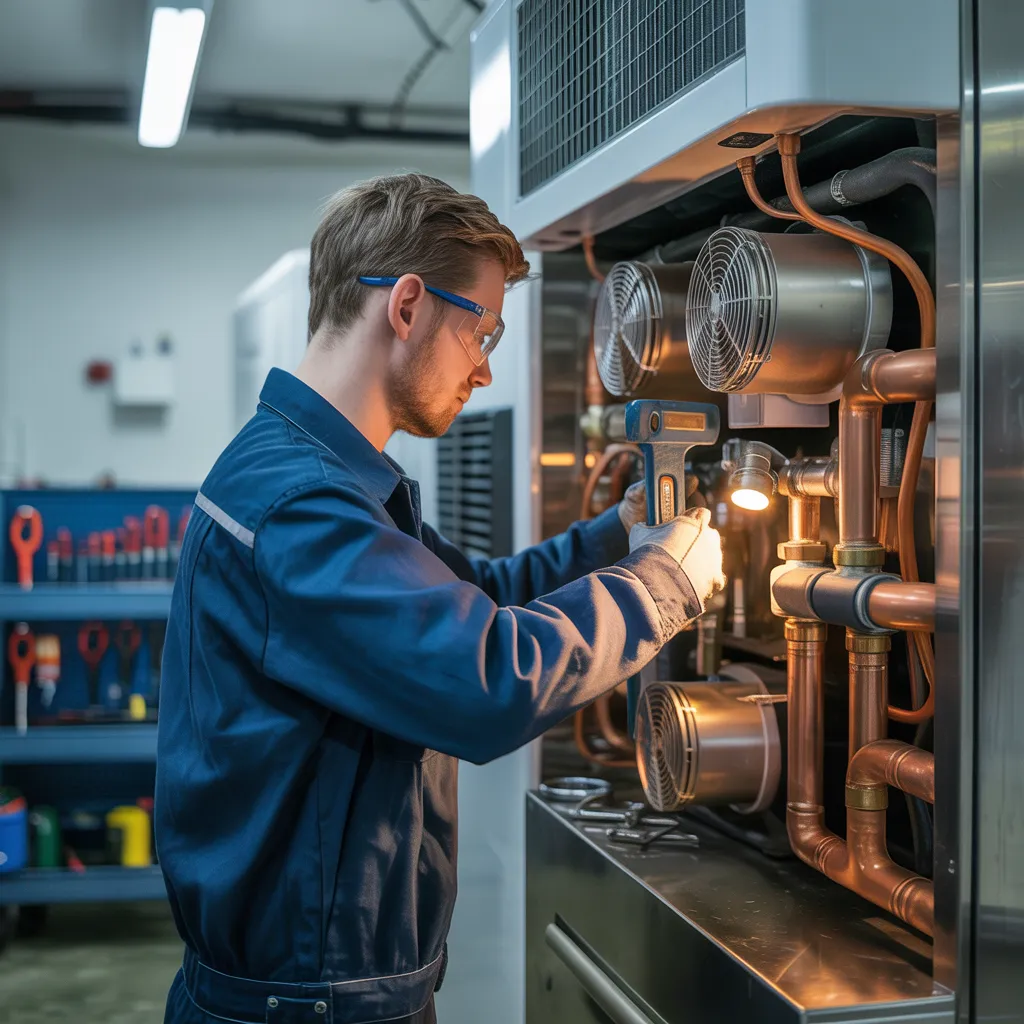
The Significance of Mechanical Systems in Today's Industries
In a time when efficiency and innovation are critical, mechanical systems play an essential role in modern industries. These systems encompass a wide range of technologies, including automation, robotics, and various machinery, all developed to improve operational productivity. In manufacturing, mechanical systems streamline operations, reduce human error, and optimize resource allocation. Their integration facilitates the rapid production of goods, enabling companies to adapt quickly to market demands.
Additionally, mechanical systems make a notable contribution to the maintenance and reliability of manufacturing processes. Proactive maintenance strategies, enabled by sophisticated sensors and analytical data, confirm equipment operates at peak performance, decreasing equipment downtime. This consistency is critical in sectors such as energy, aerospace, and automotive industries, where safety and precision are non-negotiable. Overall, mechanical systems remain indispensable, propelling innovations that not only boost efficiency but also promote innovation across numerous industrial domains.
Innovations Addressing Challenges in Mechanical Systems
Breakthroughs in industrial machinery are critical for tackling contemporary challenges faced by various industries. Advanced robotics integration optimizes automation efficiency, while predictive maintenance techniques minimize operational costs and downtime. Moreover, advances in energy conservation promote environmental sustainability objectives, ensuring these innovations are indispensable for future development.
Advanced Robotic Systems Integration
With industries facing increasingly complex challenges, the integration of advanced robotics into mechanical systems stands out as a key solution. This integration enhances operational efficiency, enabling precise automation across manufacturing processes. Robots equipped with artificial intelligence have the ability to adjust to a range of tasks, improving production workflows and decreasing human error. In addition, sophisticated sensors facilitate real-time data gathering, supporting improved decision-making and efficient resource allocation. Such robotic systems further enhance workplace safety by handling high-risk tasks, thereby minimizing risks to human workers. Beyond this, the flexibility of robotic solutions supports customization, allowing industries to quickly address market demands. Overall, advanced robotics integration represents a significant advancement in addressing the multifaceted challenges faced by modern mechanical systems.
Proactive Maintenance Strategies
Utilizing the potential of big data analytics, predictive maintenance techniques have emerged as a groundbreaking solution in industrial machinery management. By utilizing real-time data from machinery and sensors, these approaches empower companies to anticipate machinery breakdowns before they happen. This proactive strategy minimizes downtime, streamlines maintenance planning, and maximizes the longevity of vital machinery. Sophisticated algorithms process historical operational data, recognizing patterns and deviations that suggest emerging concerns. As a result, organizations can distribute resources more effectively, reducing costs associated with unplanned repairs and operational interruptions. Additionally, embracing predictive maintenance promotes a mindset of perpetual advancement, motivating sectors to integrate cutting-edge solutions that improve dependability and efficiency. As a result, organizations can maintain a competitive edge in increasingly demanding markets.
Energy Efficiency Innovations
As sustainability continues to gain importance, energy efficiency innovations are reshaping mechanical systems to address pressing challenges. Such developments aim to minimize energy use while preserving optimal performance. Technologies such as variable frequency drives (VFDs) and advanced materials greatly enhance system efficiency, minimizing waste and lowering operational costs. Moreover, the adoption of smart sensors facilitates real-time tracking and responsive adaptations, optimizing energy consumption. Systems designed to recover and repurpose waste energy equally contribute to meeting sustainability objectives. By embracing these technologies, companies can not only adhere to regulatory guidelines but also establish a competitive position in a market growing more influenced by sustainability-focused buyers. As a result, energy efficiency advancements are essential for contemporary mechanical systems.
How Mechanical Systems Enhance Efficiency and Sustainability
Mechanical systems revolutionize efficiency and sustainability across various industries by integrating advanced technologies and streamlined processes. These systems optimize resource utilization, minimizing waste and decreasing energy consumption. For instance, automated equipment boosts production efficiency while limiting human error, resulting in greater output and improved quality. Moreover, predictive maintenance solutions facilitate prompt interventions, eliminating costly operational interruptions and maximizing equipment lifespan.
In sectors like manufacturing and construction, mechanical systems enable the adoption of clean energy alternatives, such as solar and wind, additionally supporting environmental sustainability. Intelligent sensors and IoT functionality provide continuous monitoring and in-depth data analysis, guaranteeing optimal performance and allowing swift corrections to sustain system efficiency.
In addition, modular designs in mechanical setups promote eco-friendly practices by facilitating easy upgrades and modifications, eliminating the necessity of full-scale replacements. Overall, the integration of these cutting-edge solutions substantially elevates operational performance and encourages a more sustainable industrial future.
How Comprehensive Mechanical Services Transform Design and Implementation
As conventional methods of design and implementation frequently result in inefficiencies, full-scale mechanical services deliver an innovative solution by integrating advanced methodologies and innovative technologies. These services streamline processes, allowing engineers to refine designs for maximum performance and cost-effectiveness. By utilizing computer-aided design (CAD) and simulation tools, engineering teams can detect potential problems ahead of time, minimizing the risk of expensive modifications in subsequent stages.
Additionally, extensive technical services facilitate collaboration across disciplines, guaranteeing that every element of a project remain synchronized from the start. This integrated approach reduces misunderstandings and improves project schedules. In addition, the incorporation of cutting-edge manufacturing processes, like modern additive fabrication, permits highly sophisticated designs that were once impossible to achieve. In conclusion, the incorporation of broad mechanical services not only elevates the planning and execution stages but also advances the overall sustainability and efficiency of modern industrial operations, placing organizations on a path to lasting success.
How Case Studies Uncover Future Trends in Mechanical Systems
Case studies act as powerful instruments for illustrating how advancing technologies are transforming engineering systems. Through copyrightining real-world applications, such analyses deliver understanding of innovative practices and potential future trends. This exploration highlights the dynamic interplay between technological advancements and practical implementation in the discipline.
Emerging Technologies Overview
As sectors continue to adopt automation and advanced materials, emerging technologies are poised to redefine engineering systems. Breakthroughs including 3D printing, sophisticated robotics, and intelligent sensors useful resource are transforming design and production processes. Industry research confirms how these technologies enhance efficiency, reduce waste, and enable customization. For instance, the integration of machine learning-powered analytics in maintenance prediction has produced measurable improvements in uptime performance, reflecting a broader move toward anticipatory operational approaches. Furthermore, the application of composite materials is creating opportunities for stronger and more lightweight parts designed to perform under demanding circumstances. These advancements not only enhance performance but also support broader environmental objectives, indicating a future where mechanical systems are more intelligent, resilient, and environmentally friendly. The direction of these advancements heralds an unprecedented era of technological progress.
Practical Application Insights
Real-world applications of innovative technologies in engineering systems provide important perspectives on evolving directions. copyrightples drawn from multiple sectors highlight how advancements such as IoT, machine learning, and process automation are reshaping how operations perform. To illustrate this point, a prominent copyrightple in vehicle production demonstrated significant reductions in production time through intelligent automation systems. Likewise, the aerospace sector has gained advantages through 3D printing technologies, which allows for lightweight components that enhance fuel efficiency. These instances not only emphasize immediate benefits but also suggest a transition to greater sustainability and tailored solutions. As organizations integrate these technologies, the insights obtained will guide upcoming progress and influence the evolution of mechanical systems, ensuring they meet the changing needs of contemporary industries.
Where Are Mechanical Systems Headed?
What does the future hold for mechanical systems? The future of mechanical systems is poised for transformative advancements driven by artificial intelligence, robotics, and sustainable practices. Enhanced automation will enable systems to operate with greater efficiency and adaptability, reducing human error and operational costs. Additionally, the integration of IoT technologies will facilitate real-time monitoring and predictive maintenance, ensuring peak performance and longevity of equipment.
Additive manufacturing, commonly referred to as 3D printing, is expected to revolutionize production processes, facilitating advanced design capabilities and significantly cutting down on waste. Moreover, the growing emphasis on sustainability will drive industries to embrace eco-friendly materials and responsible practices, aligning with global sustainability goals.
As industries continue to evolve, collaboration between engineers, software developers, and environmental scientists will be critical to drive these innovations, ensuring that mechanical systems not only meet the demands of modern industries but also contribute positively to society and the planet.
Questions Our Clients Often Ask
What Credentials Should I Seek in a Mechanical Services Provider?
When selecting a mechanical services contractor, one should prioritize key qualifications including experience, industry certifications, a proven track record, and technical expertise. Additionally, assessing service reliability and customer feedback can further guarantee informed decision-making.
How Can I Measure the ROI of Mechanical System Upgrades?
To determine the return on investment of upgrades to mechanical systems, one should analyze savings in costs, improvements in efficiency, reductions in maintenance, and gains in productivity. Measuring these indicators with respect to the original investment offers a clear understanding of economic advantages across time.
What Are Common Maintenance Practices for Mechanical Systems?
Standard maintenance procedures for mechanical machinery consist of scheduled inspections, lubrication, alignment assessments, cleaning, vibration analysis, and prompt replacement of deteriorated parts. These practices help guarantee maximum performance, prolonging equipment longevity, and minimize unexpected downtime.
How Are Mechanical Systems Integrated With Other Technologies?
Mechanical systems commonly work alongside technologies such as automation, IoT, and data analytics. This integration boosts efficiency, supports predictive maintenance, and enables real-time monitoring, ultimately optimizing performance and reducing operational costs across various industries.
Which Industries Gain the Most From Innovative Mechanical Solutions?
Fields including automotive, aerospace, healthcare, and manufacturing greatly benefit from innovative mechanical solutions. These innovations enhance efficiency, minimize costs, and enhance product quality, consequently driving sustainability and competitiveness in an increasingly technology-driven market.